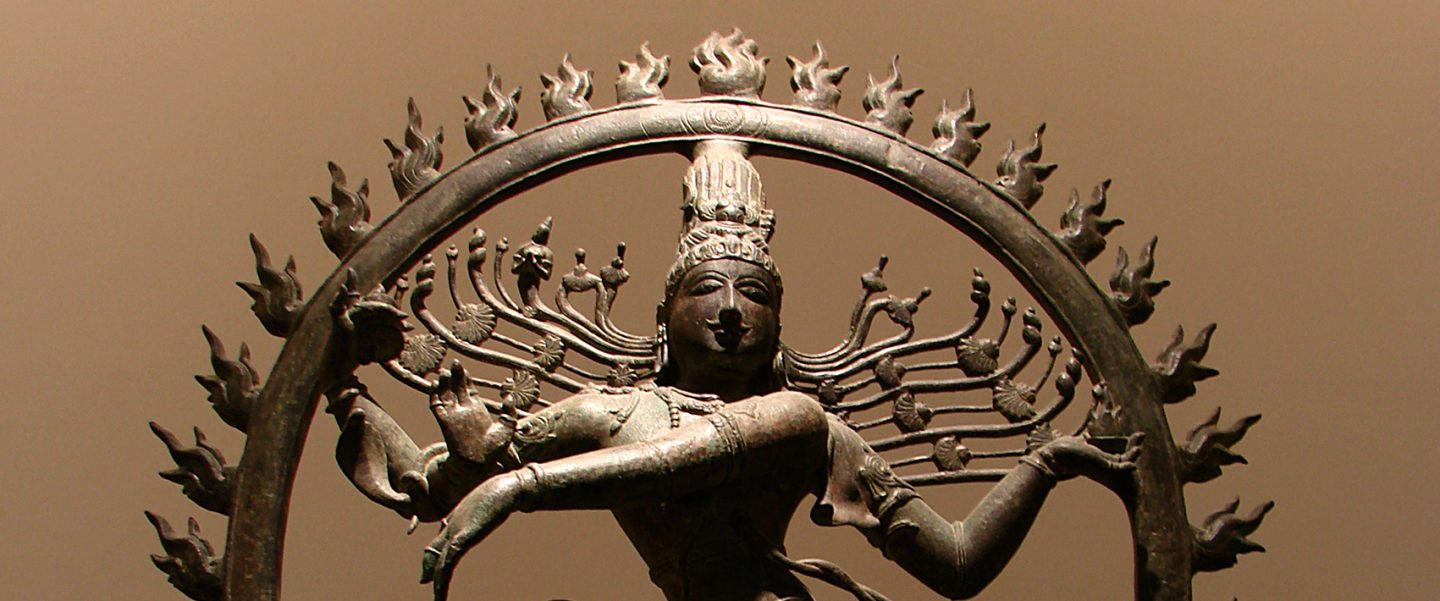

There are three main elements of any classical dance, known as Nritta, Nritya, and Natya. They are one of the common threads across all eight classical dance forms. The following is an explanation of each one:

Nritta is the first of the three elements of a choreography. It is considered “pure dance” and involves the demonstration of precise rhythm. It utilizes the hand gestures, footwork, and movements. Nritta is not meant to be interpretive or story-orientated.

Nritya is the slower and explanatory portion of the dance. It communicates the feelings, spiritual, and story aspects of the piece. Dancers must show their inner Bhava (deep emotions) to the audience in order to properly convey the story and engage the viewers.
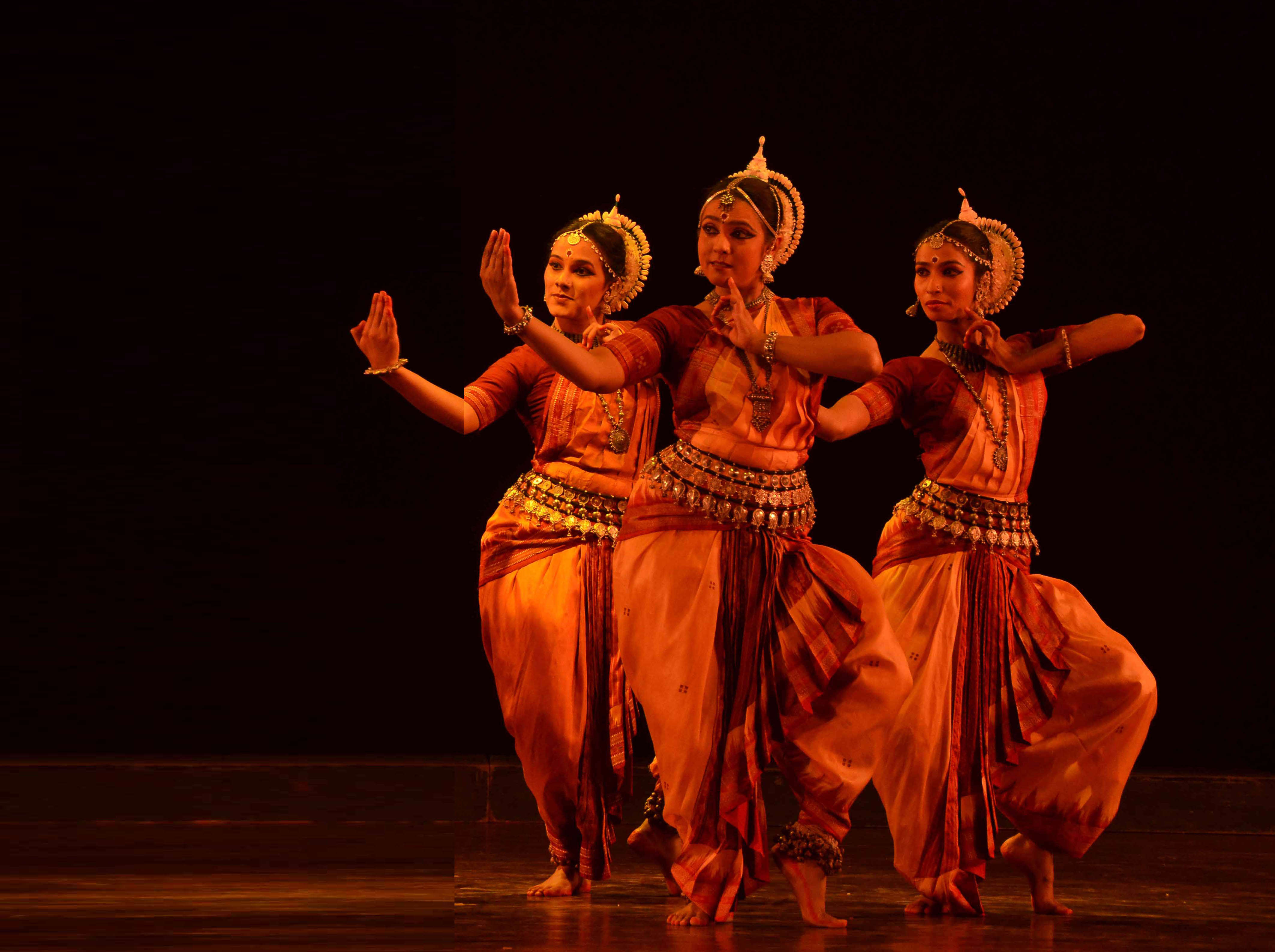
Natya could be seen as somewhat of a combination of Nritta and Nritya which also includes speech and music to compliment performance. The dancers may take on the roles of individual characters within the drama.
image sources: natyakriya.blogspot.com/2013/01/nritta-nritya-natya.htmlimage, esplanade.com/-/media/images/events/2018/n/nritya-tarang-spirit-of-kuchipudi-dance-03.jpg?mw=640, static.toiimg.com/photo/msid-67218813/67218813.jpg?665146. Information source: Meduri, Avanthi (1988). “Bharatha Natyam-What Are You?”. Asian Theatre Journal. University of Hawaii Press. 5 (1): 3–4. doi:10.2307/1124019.
 Classical Indian Dance